
A thoughtful Christmas guide · 2026
Thoughtful Christmas Gift Ideas for Autistic Children (2026)
Calm, practical, and joyful gift ideas based on different interests, sensory preferences, and play styles.
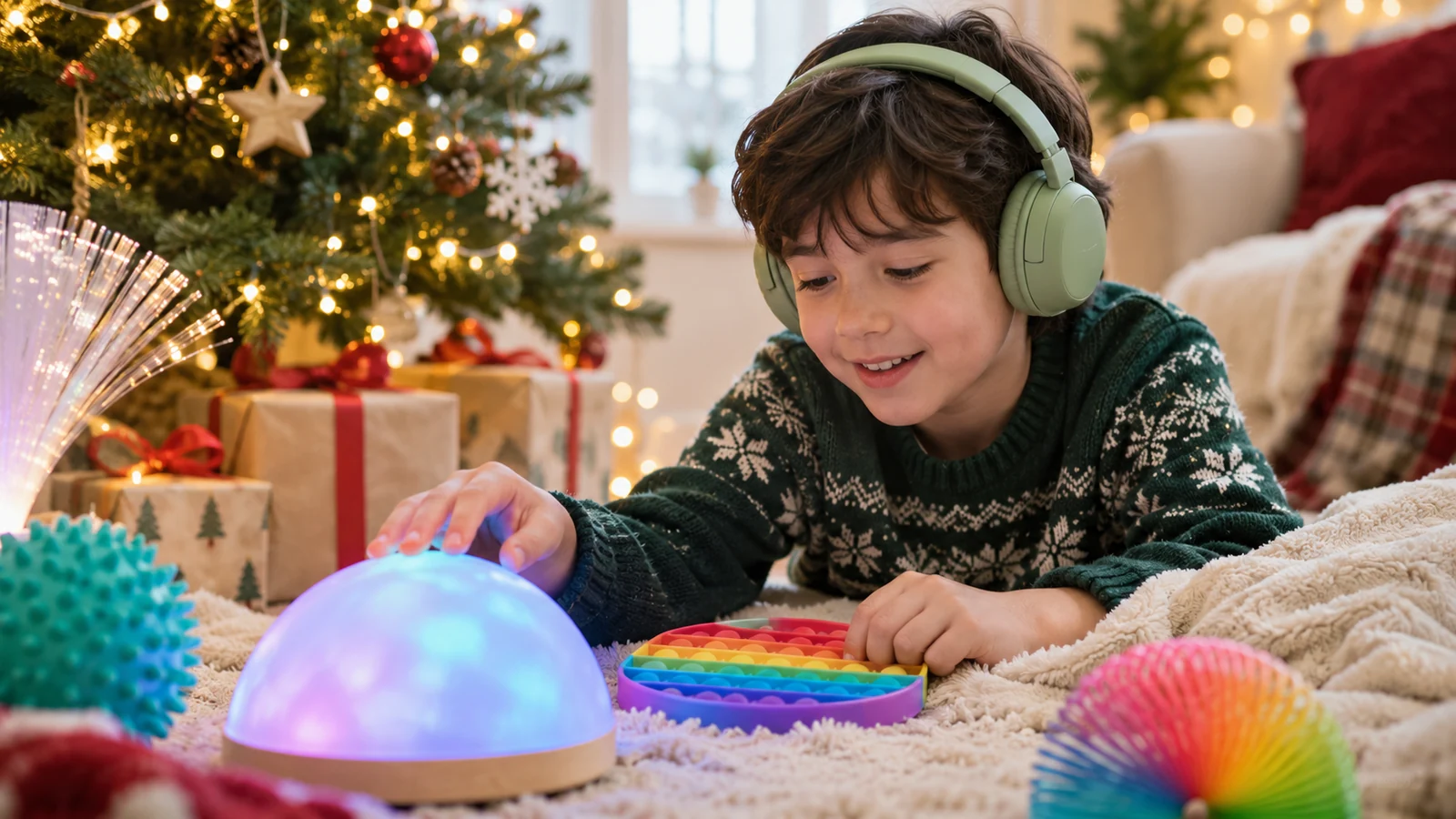
Finding a meaningful Christmas gift for an autistic child is not about identifying one universally recommended “autism toy.” It is about understanding the individual child: what captures their interest, which sensations feel comfortable, how they communicate, and the kinds of play they choose for themselves.
Some children love movement, texture or colourful light. Others prefer predictable, repetitive activities. Many enjoy building, drawing, music, books, technology or a particular special interest. The same child may seek some sensations and avoid others, and preferences can change from day to day.
This guide offers flexible starting points rather than a prescriptive shopping list. Use what you already know about the child, ask their parent or caregiver, and choose a gift that invites enjoyment without pressure.
Quick Picks by Play Style
Three easy places to begin, with options that can be adapted to the child’s preferences.
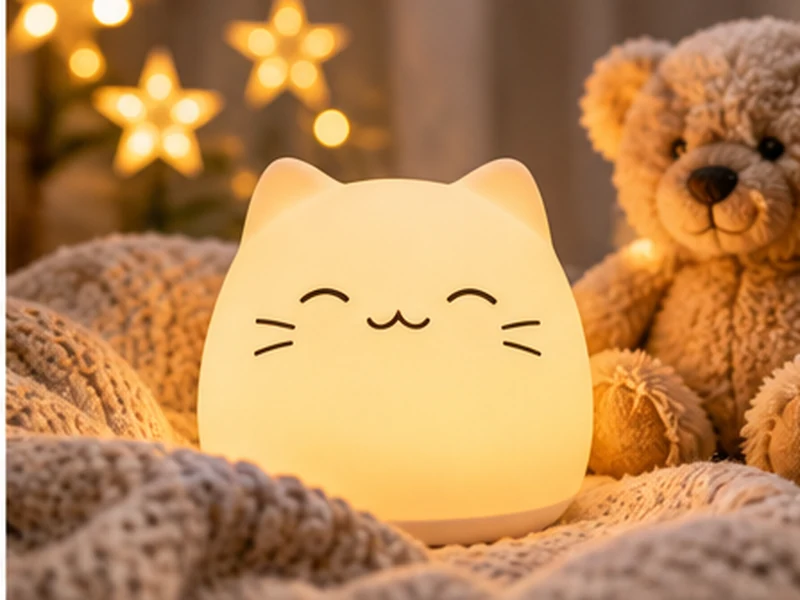
Soft lighting, tactile comfort items, and calming toys for children who enjoy these experiences.
Explore sensory-friendly ideas →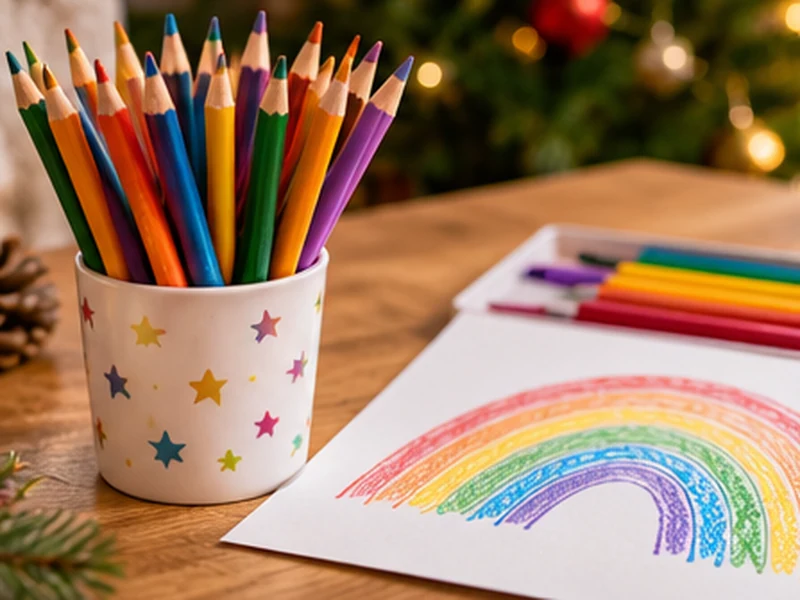
Art materials and open-ended activities for children who enjoy experimenting with colour and making things.
Explore creative play →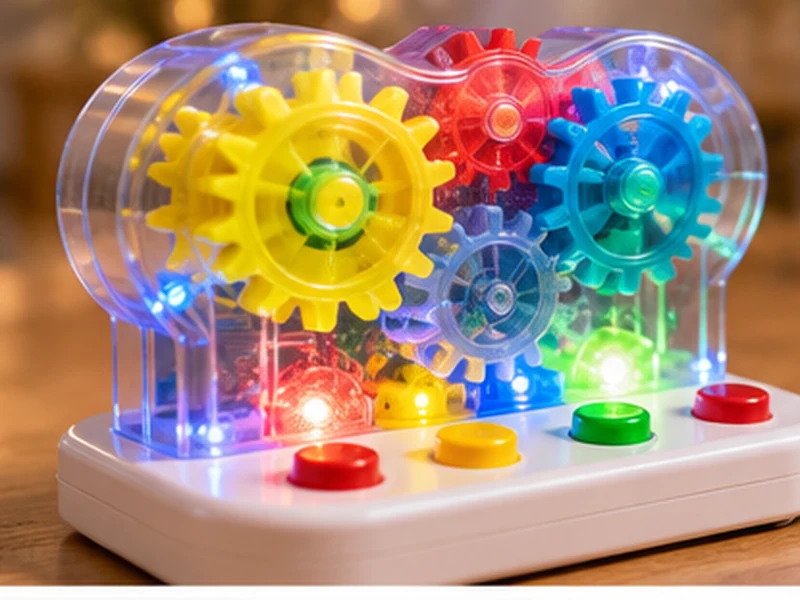
Interactive toys, instruments, and activities that offer engaging and predictable feedback.
Explore music and movement →Sensory-friendly Christmas gifts
Sensory preferences vary widely, so the most useful question is not “Is this a sensory toy?” but “Does this kind of input feel good to this child?”
A child who seeks tactile input might enjoy a textured cushion, modelling material, water play or a sturdy fidget. A child who is sensitive to touch may prefer a smooth comfort item and complete control over when they engage. Some children enjoy glowing lights; others find brightness or changing colours overwhelming.
Ideas to consider
- Soft or textured comfort items: a preferred fabric, lap pad, body sock, soft toy or cosy blanket—after checking whether the child likes that texture and weight.
- Fidget and tactile toys: poppers, putty, tangles, rollers or squeeze toys that are durable and appropriate for the child’s age and chewing habits.
- Sensory bins and play materials: scoops, cups, kinetic sand, water beads alternatives, rice or dry pasta, chosen with close attention to mouthing and allergies.
- Gentle lighting: a dimmable lamp, projector or bubble lamp with steady settings and controls the child can understand.
- Noise-reducing headphones: useful for some children in busy places, provided the fit and pressure are comfortable.
- Water and sand accessories: funnels, wheels, pouring cups and containers for repeatable cause-and-effect play.
Creative play gifts
Creative gifts work best when they make participation easy and do not require a child to make something in one “correct” way.
Try colouring supplies, washable markers, chunky crayons, painting materials, a reusable drawing board, modelling dough or a simple craft set connected to an interest the child already has. A child who loves trains might enjoy drawing track plans; a dinosaur fan might prefer stamps, stickers or clay cutters in familiar shapes.
Think about access as well as the activity. Easy-grip tools, mess-free paint sticks, large paper, a wipe-clean mat or pre-cut pieces can reduce barriers. Some children enjoy following a model step by step; others want fully open-ended exploration. Both are valid creative play.
For more ideas, see our existing guides to painting and drawing gifts and books for children.
Building and construction gifts
Construction toys can support open-ended invention, careful pattern-making or the pleasure of rebuilding the same satisfying design.
Wooden blocks, magnetic tiles, construction sets, puzzles and train tracks all offer different levels of structure. For a child who enjoys routines, a track layout or familiar puzzle can be repeated. For a child who likes experimentation, loose blocks and tiles can become towers, vehicles, enclosures or colour patterns.
Match the set to the child’s current motor skills and tolerance for complexity. Large, easy-connect pieces may be more enjoyable than a detailed set with many steps. If a child becomes frustrated when a build is disturbed, consider a tray or base plate so a project can be saved.
Music and movement gifts
Music can offer rhythm, repetition and clear cause-and-effect—but not every autistic child enjoys sound, and louder is not better.
Possible gifts include a small keyboard, hand drum, shaker, xylophone, rhythm sticks, movement cards, a balance toy or a simple button-activated cause-and-effect toy. Look for adjustable volume, predictable sounds, an off switch the child can use, and the ability to repeat a favourite sound without extra commentary.
For movement seekers, consider safe options such as a wobble cushion, stepping stones, a swing approved for the installation location, or tickets to a familiar swimming or movement session. Always check space, weight limits and supervision needs before buying large movement equipment.
If sound is uncertain, ask first. A quiet instrument, headphones, a visual metronome or a movement-only activity may be a better fit than an electronic toy.
Gifts for special interests
An established interest is often a more reliable guide than whatever is currently popular for a child’s age.
Trains, dinosaurs, space, vehicles, numbers, letters, favourite characters, nature and technology can each lead to many kinds of gifts. A train interest might inspire a route map, railway book, model set, museum visit or personalised ticket wallet. A nature interest could become binoculars, a field guide, seed kit or quiet trip to a wildlife park.
Familiar themes can make a new format feel approachable. They can also support shared play without asking the child to leave an interest they love. Ask how specific the interest is: a child who loves one train model or one character may not be interested in a generic version.
Budget-friendly Christmas gifts
A thoughtful gift does not need to be large or expensive. These are planning ranges in Australian dollars, not verified product prices.
A favourite-theme book, bubbles, stickers, washable markers, a simple fidget, play-dough tools, bath pouring cups or a homemade activity kit.
A small construction set, reusable drawing board, sturdy puzzle, art bundle, headphones case, rhythm instrument or personalised interest box.
A larger building set, adjustable lamp, train set, beginner keyboard, family membership contribution or a planned one-to-one experience.
For a personalised kit, combine a few familiar activities in a labelled box: favourite-theme printouts, pencils, matching cards, safe sensory materials or small-world figures. Check current prices and availability before buying; a product only belongs in a budget tier once you have confirmed its actual cost.
Gift ideas by need and play style
These are flexible descriptions, not diagnostic categories. A child may relate to several, move between them, or relate to none.
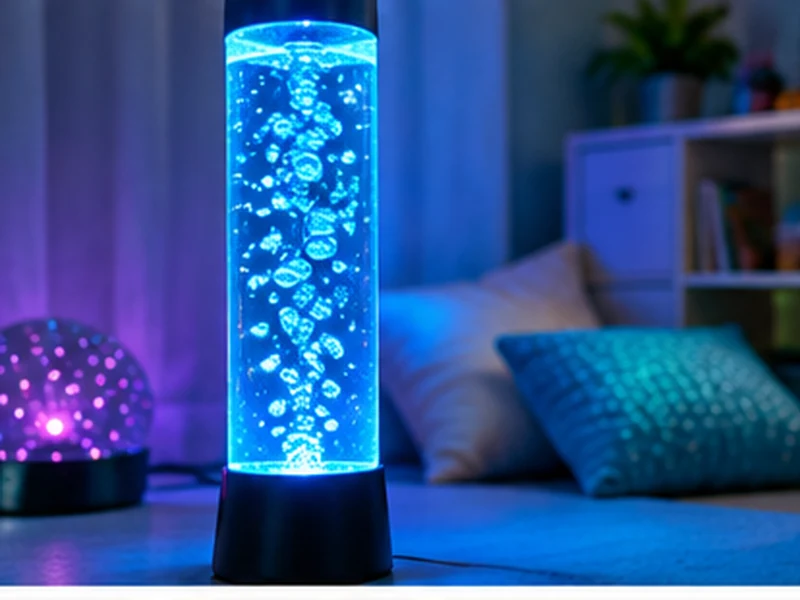
For sensory seekers
Children who actively enjoy particular lights, textures, sounds, movement or tactile experiences may like bubble lamps, textured play, pouring activities, movement equipment or robust fidgets. Match the gift to the sensations they actually seek, and choose adjustable options.
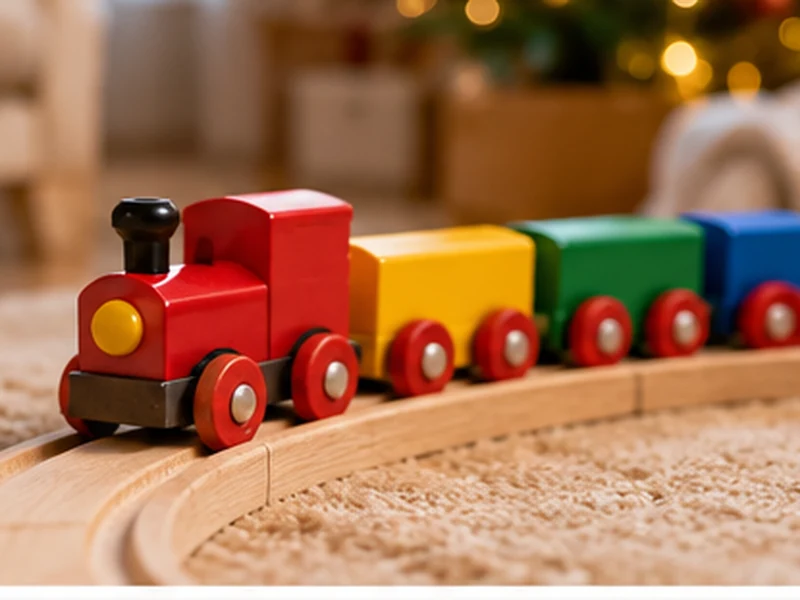
For kids who love routines and repetition
Familiar and repeatable play can be deeply enjoyable. Train tracks, matching sets, puzzles, sorting games, visual sequences and construction sets allow a child to return to a known pattern while still offering room for small changes.
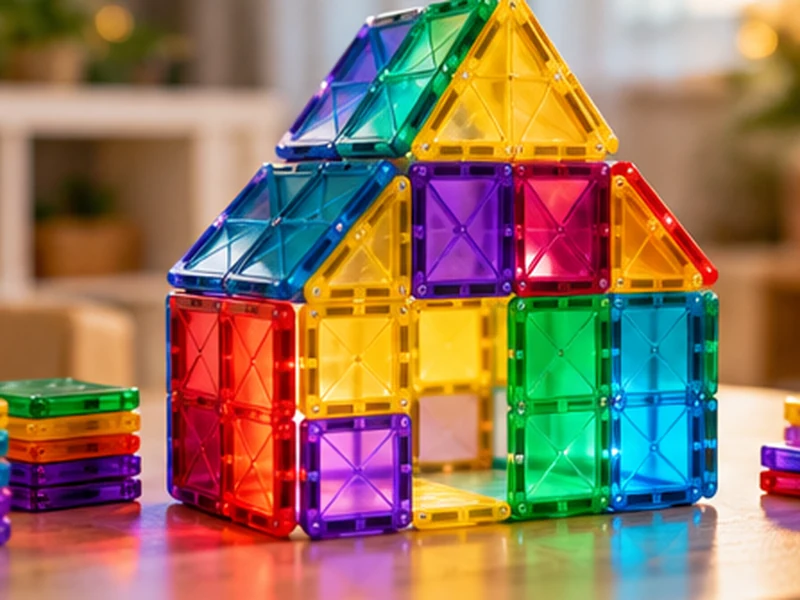
For creative and curious minds
Building sets, art activities, puzzles, exploration tools and hands-on experiments can suit children who enjoy discovering how things fit and work. Choose an entry point that is immediately usable, with optional complexity for later.
These ideas describe possible preferences, not fixed types of autistic children. Let the child’s own choices lead.
How to choose a gift
Use this as friendly guidance, not a test you need to pass. Parents, caregivers and the child themselves are your best sources.
- Start with the child’s interests. Notice what they return to, watch, collect or talk about.
- Consider sensory preferences. Ask about sound, brightness, movement, pressure, textures and smells.
- Check developmental suitability. Chronological age alone does not tell you whether a toy is accessible or engaging.
- Think about complexity. Consider setup, number of steps, predictability and how easily the child can stop.
- Check safety. Look for small parts, magnets, button batteries, allergens, breakable pieces and supervision guidance.
- Respect the child’s way of playing. A gift does not need to be used as the packaging suggests.
- Avoid pressure to use it immediately. The child may need time to observe, open or approach it.
- Consider experiences and shared activities. A calm outing or familiar one-to-one activity can be a wonderful gift.
Frequently asked questions
What Christmas gifts are suitable for autistic children?
Suitable gifts begin with the individual child’s interests, sensory preferences, communication style and preferred way of playing. Art supplies, building sets, books, sensory materials, music toys and experience gifts can all be good choices for the right child.
Are sensory toys appropriate for every autistic child?
No. Sensory preferences vary widely. A child who seeks a particular light, sound or texture may enjoy it, while another child may find the same input uncomfortable. Ask caregivers and choose adjustable, predictable options where possible.
What are good gifts for a child who loves repetitive play?
Train tracks, sorting sets, puzzles, construction toys, matching games and familiar-theme figures can support enjoyable repeatable play. Look for sturdy pieces and a level of complexity that suits the child.
How can I choose a gift for a child with limited verbal communication?
Observe what the child returns to, ask parents or caregivers, and offer a small choice using objects, pictures or links if that is how the child communicates preferences. Communication does not have to be spoken to be clear and meaningful.
What if my child is not interested in opening presents?
There is no need to insist on a traditional unwrapping moment. Gifts can be left visible, opened gradually, presented without wrapping or introduced later when the child is comfortable.
Are experience-based gifts a good option?
Yes, when the experience matches the child’s interests and access needs. A quiet museum session, swimming visit, train ride, class, membership or planned one-to-one activity may be more meaningful than another object.