
Parent decision hub
Educational Toys
Use this hub to narrow toy choices by age, learning skill, play style, and how much screen time or setup you want at home.
Start With The Core Guides
These are the strongest entry points for parents comparing learning toys.
 Popular Educational ToysA broad shortlist of learning toys for toddlers, preschoolers, and growing kids.See Popular Toys ->
 Best Educational Toys by AgeAge-by-age picks for babies, toddlers, preschoolers, and kids.Browse Ages ->
 Best Educational Electronic ToysElectronic learning toys with a quick comparison table and parent checks.Compare Toys ->
Educational Toys by Age
Start with your child's current stage, from first-birthday play through the preschool years.
Best Educational Toys for 1-Year-OldsAge-appropriate toys for babies and young toddlers under two.See Under-2 Toys ->
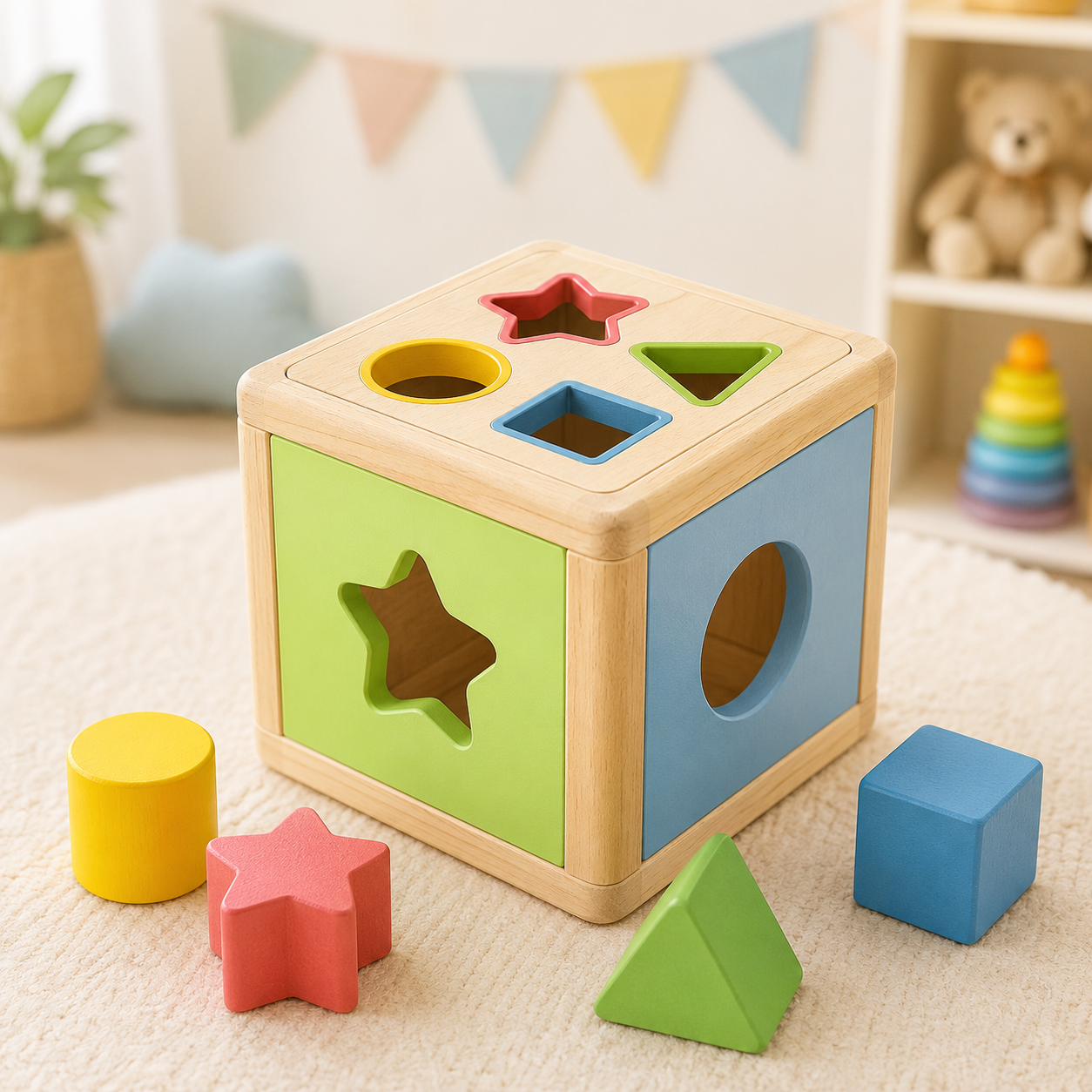 Best Educational Toys for 2-Year-OldsToddler-safe product picks for language, movement, sorting, and pretend play.Read Guide ->
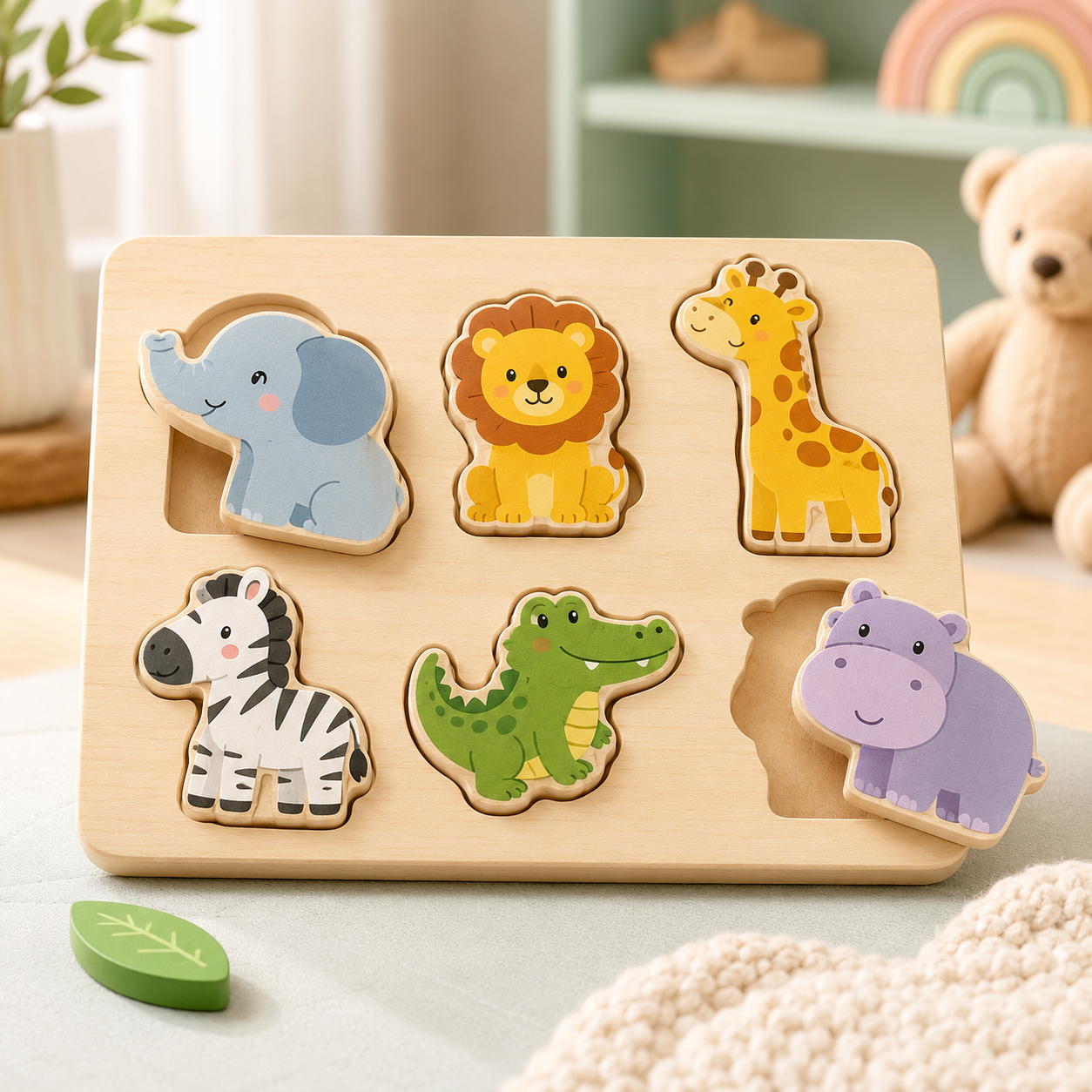 Best Educational Toys for 3-Year-OldsPreschool play ideas for creativity, coordination, and early problem solving.Read Guide ->
Best Educational Toys for 4-Year-OldsLearning toys for imagination, early literacy, counting, and construction.Read Guide ->
Best Educational Toys for 5-Year-OldsSchool-ready play for logic, reading, STEM skills, and creative projects.Read Guide ->
Best Educational Toys for 3-Year-OldsPreschool play ideas for creativity, coordination, and early problem solving.Read Guide ->
Best Educational Toys for 4-Year-OldsLearning toys for imagination, early literacy, counting, and construction.Read Guide ->
Best Educational Toys for 5-Year-OldsSchool-ready play for logic, reading, STEM skills, and creative projects.Read Guide ->
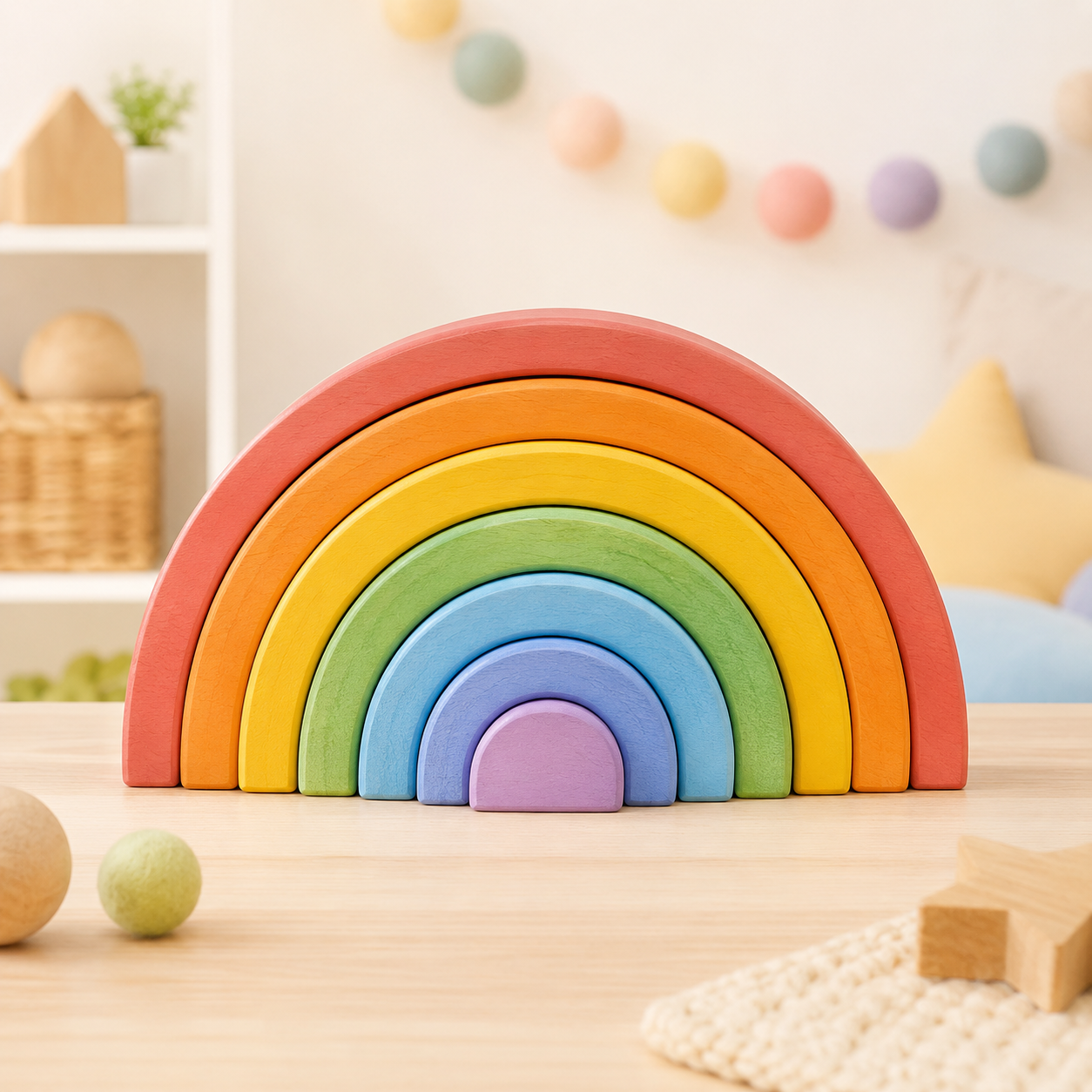 What 2-Year-Olds Learn Through PlayA practical guide to toddler development, play types, and parent prompts.Learn More ->
Learning Style Guides
Choose by the kind of play you want more of: hands-on, screen-free, STEM, Montessori-style, or creative.
Montessori Toys for ToddlersHands-on toys for practical, independent, low-screen play.Open Guide ->
Screen-Free Toys for ToddlersSimple toys that encourage movement, pretend play, and attention.Open Guide ->
STEM Toys for PreschoolersEarly science, building, counting, logic, and problem-solving toys.Open Guide ->
Coding Toys for KidsStarter logic and sequencing toys for curious kids.Open Guide ->
Fine Motor Skill ToysToys for grasping, sorting, stacking, threading, and hand strength.Open Guide ->
Wooden Educational ToysClassic low-screen picks with open-ended play value.See Picks ->
More Educational Toy Guides
Explore technology, music, art, pretend play, and other interests.
Interactive Learning Apps and GamesLearning apps and interactive games for toddlers and preschoolers.Explore Apps ->
Augmented Reality Toys and GamesAR play ideas that combine physical toys with digital discovery.Open Guide ->
Musical Toys for Babies and KidsInstruments and musical toys for rhythm, listening, and creative play.Open Guide ->
Painting and Drawing ToysArt supplies and creative toys for drawing, painting, and making.Open Guide ->
Play Kitchen SetsPretend-play kitchens that encourage language, routines, and imagination.Open Guide ->
Best Tablets for KidsTablet options for learning, reading, and controlled screen time.Read Guide ->
Frequently Asked Questions
What makes a toy educational?
A useful educational toy encourages practice, problem solving, language, movement, creativity, or independent exploration rather than only passive entertainment.
Should every educational toy be electronic?
No. Electronic toys can help with feedback and repetition, but wooden, sensory, pretend-play, art, and board-game style toys can be equally valuable.
How should I choose by age?
Start with safety and developmental fit, then choose the learning goal: fine motor, language, numbers, pretend play, STEM, or screen-free play.